Musty odor rising into the living space
We locate the mold colony, contain the area, remove the growth, and run HEPA filtration to clear the air. Then we fix the moisture source. Most customers notice the smell is gone within a week of treatment.
Crawl space mold removal in Valencia, California starts with finding the water, not just killing the mold. Our IICRC-trained crew pulls standing water, dries the joists and subflooring, then treats every affected surface with an antimicrobial solution. If you smell that musty, wet-cardboard odor under your floors, we can be at your Valencia home the same day to inspect and quote the work.
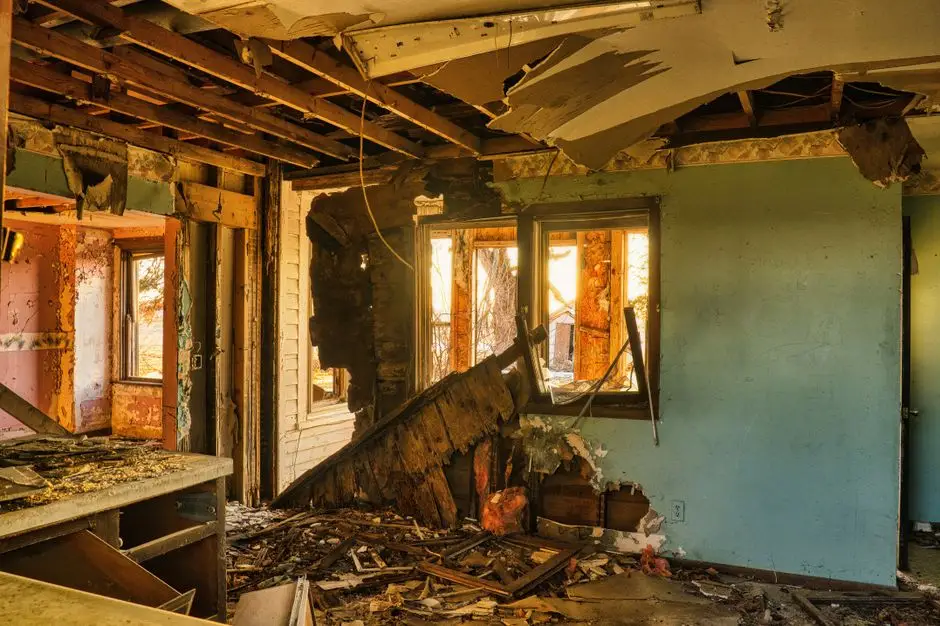
Crawl space mold removal in Valencia, California is the process of containing, removing, and cleaning mold growth from the underside of your home, then correcting the moisture source that fed it. We seal the access hatch, run HEPA filters and an air scrubber to keep spores out of your living space, bag the contaminated insulation, and scrub the joists, subflooring, and baseboards with an antimicrobial solution. Every job follows ANSI/IICRC S520 mold remediation standards, and we document moisture readings before and after so you can see the space is actually dry.
Most Valencia crawl space calls trace back to a slab leak, a burst pipe, foundation seepage, or an HVAC condensate leak that has been dripping for weeks. Valencia sits in a dry climate, but irrigation runoff and winter storms push water against foundations, and once relative humidity under the house passes 60%, mold can colonize framing in 24 to 48 hours. We see it constantly in two-story homes built in the 1980s and 1990s, where the vapor barrier has torn or was never installed correctly.
Every crawl space job is different, but the core scope is the same: find the moisture, contain the mold, remove it, dry the structure, and correct the source. Here is what is included in a standard crawl space mold removal in Valencia, California, and what we quote separately if your space needs it.
We map moisture with a moisture meter, hygrometer, and thermal imaging camera, photograph every affected area, and identify the water source. You get a written scope with readings, not a verbal guess. Inspections take 45 to 90 minutes.
We seal the access hatch and floor penetrations with polyethylene sheeting and run an air scrubber with HEPA filters plus a negative air machine. This keeps spores out of your living space during removal. Setup takes about 30 to 60 minutes.
Contaminated insulation and debris are bagged and removed. We scrub joists, subflooring, and baseboards with an antimicrobial solution, then HEPA-vacuum all surfaces. Work follows ANSI/IICRC S520 standards and is documented for your records.
Air movers and a commercial dehumidifier run until wood moisture content drops below 16%. We check readings daily with a hygrometer and infrared thermometer. Drying usually takes 24 to 72 hours depending on how wet the framing is.
We repair or install a vapor barrier to keep ground moisture out, and we check your sump pump and drainage. If grading is pushing water under the house, we tell you what needs to change. This is what keeps mold from coming back.
We crawl the space with a moisture meter, hygrometer, and thermal imaging camera, map every wet zone, and take air samples if you want lab confirmation of the species. You get photos of what we found and a written scope the same day. Inspections run 45 to 90 minutes depending on the size of the crawl space.
We seal the access hatch and any floor penetrations with polyethylene sheeting, then set up an air scrubber with HEPA filters and a negative air machine. This keeps spores from drifting into your kitchen or bedrooms while we work. Setup usually takes 30 to 60 minutes.
Contaminated insulation and debris come out in sealed bags. We scrub joists, subflooring, and baseboards with an antimicrobial solution, then HEPA-vacuum every surface. Porous materials that cannot be cleaned are removed and replaced. This is the longest phase, often a full day on a 1,500 sq ft home.
We place air movers and a commercial dehumidifier, sometimes a desiccant unit in colder months, and run them until the wood moisture content drops below 16%. That typically takes 24 to 72 hours, and we check readings daily with a hygrometer and infrared thermometer.
We re-inspect, take final moisture readings, and install or repair the vapor barrier so the space stays dry. You get a written report with before-and-after numbers. We also walk you through the sump pump and drainage setup so you know what to watch for.
Purpose-built equipment, used by trained technicians — so the job is done accurately the first time.
We use these to measure wood moisture content and relative humidity in the crawl space. Readings below 16% on framing and under 60% RH mean the space is dry.
These find hidden moisture behind insulation and in framing without tearing anything open. They also confirm the drying equipment is reaching the wet areas.
We run an air scrubber with HEPA filters and a negative air machine during removal to keep mold spores out of your living space. Filters are changed per ANSI/IICRC S520.
Commercial dehumidifiers pull moisture out of the air so the framing can dry. In colder months we may bring in a desiccant unit, which works better at low temperatures.
We use a water extraction unit and wet/dry vacuum to pull standing water and slurry out of the crawl space before drying starts. Fast extraction limits how much framing gets wet.
A borescope inspection camera lets us look behind vapor barriers and into tight joist bays without cutting access holes. It also documents the condition of the space for your report.
A 1,400 sq ft Valencia home had a musty smell in the hallway for months. The crawl space had visible mold on roughly 60% of the joists and saturated insulation from a slow supply line leak that had been dripping for weeks.
We contained the space, removed the wet insulation, treated the framing with antimicrobial solution, and dried the wood to 13% moisture content. Air sampling came back clear, and the odor was gone within a week.
A failed sump pump let storm water sit under a Campanar home for about a week. The insulation was soaked, the subflooring was reading above 25% moisture content, and mold had started on the joist bays nearest the access.
We extracted the standing water, removed the contaminated insulation, treated the framing, and ran dehumidifiers for three days. Final readings were under 15%, and the mold did not return.
A Russafa home was under contract when the buyer's inspector flagged mold in the crawl space. The seller needed a documented remediation report fast to keep the sale on track.
We inspected the same day, scoped the job to ANSI/IICRC S520 standards, and completed remediation in two days. The clearance report with before-and-after moisture readings satisfied the buyer's inspector.
Most crawl space mold calls start with a smell, a high utility bill, or a home inspection report. By the time you notice, the mold has usually been growing for weeks. Here are the problems we see most often and how we fix them.
Ask a pro →We locate the mold colony, contain the area, remove the growth, and run HEPA filtration to clear the air. Then we fix the moisture source. Most customers notice the smell is gone within a week of treatment.
We remove the wet insulation, dry the framing below 16% moisture content, and replace what needs replacing. If a joist is compromised, we flag it and coordinate with a licensed contractor before we close up.
We trace the leak with a moisture meter and thermal imaging camera, stop the water, and dry the structure. Fixing the source first is what makes the mold treatment last instead of coming back next season.
We install or repair the vapor barrier, check the sump pump, and correct drainage where needed. This is the step that keeps the space dry long after we leave.
Most Valencia crawl space jobs run $1,800 to $6,500 in 2026, depending on square footage, how far the mold spread, and whether insulation or ductwork has to be replaced. A small, contained area with a straightforward moisture fix can come in under $2,000. We give you a written scope and price before we start, and we tell you upfront if the work is likely to be covered by insurance.
We seal the access, run HEPA air scrubbers, remove contaminated insulation and debris, scrub the framing with an antimicrobial solution, and then dry the wood below 16% moisture content. The last step is fixing the water source, whether that is a sump pump, a leaking pipe, or grading. If we skip that step, the mold comes back, so we do not.
Yes, especially for kids, older adults, and anyone with asthma or allergies. Mold spores migrate upstairs through floor gaps and the HVAC system, and long-term exposure can trigger respiratory problems. The structural side matters too: mold feeds on wood framing, and a bad enough infestation weakens joists and subflooring. Air sampling tells you what species you are dealing with.
It depends on the cause. Sudden events like a burst pipe, appliance failure, or storm flooding are often covered. Long-term seepage, poor maintenance, or a slab leak that went unnoticed for months usually is not. We document the loss with photos, moisture maps, and an Xactimate-formatted scope so your adjuster can make a fast decision.
 flood restoration servicesWhen storm water or a burst pipe floods your crawl space, we extract the water, dry the structure, and treat any mold that has already started. Flood restoration in Valencia often runs alongside crawl space mold removal because the two problems share the same source.Explore →
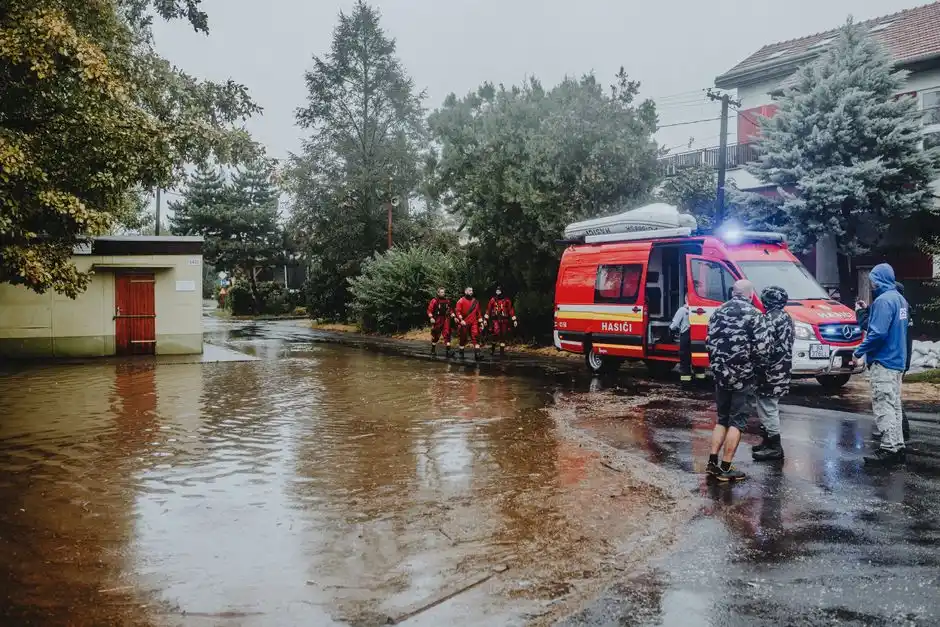 emergency water removalStanding water under your house is a mold clock. Our emergency water removal crew pulls it out with water extraction units and wet/dry vacuums, then sets air movers and dehumidifiers. Getting the water out fast is the single best way to prevent crawl space mold.Explore →
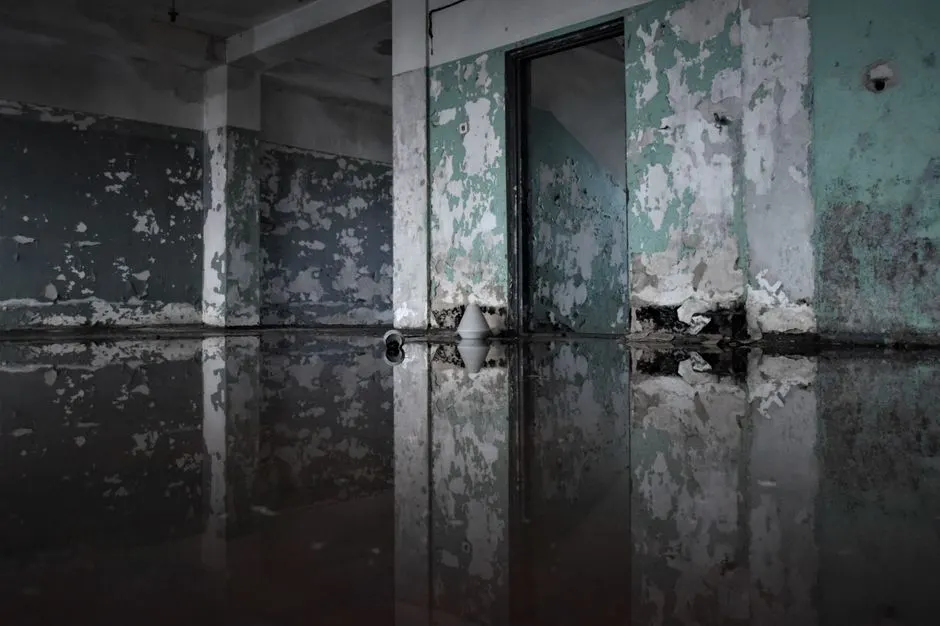 mold remediation after water damageAny water event that sat for more than 48 hours can leave mold behind. This service covers the full remediation scope, from containment and HEPA filtration to antimicrobial treatment and clearance testing, and it pairs directly with crawl space mold removal in Valencia.Explore →
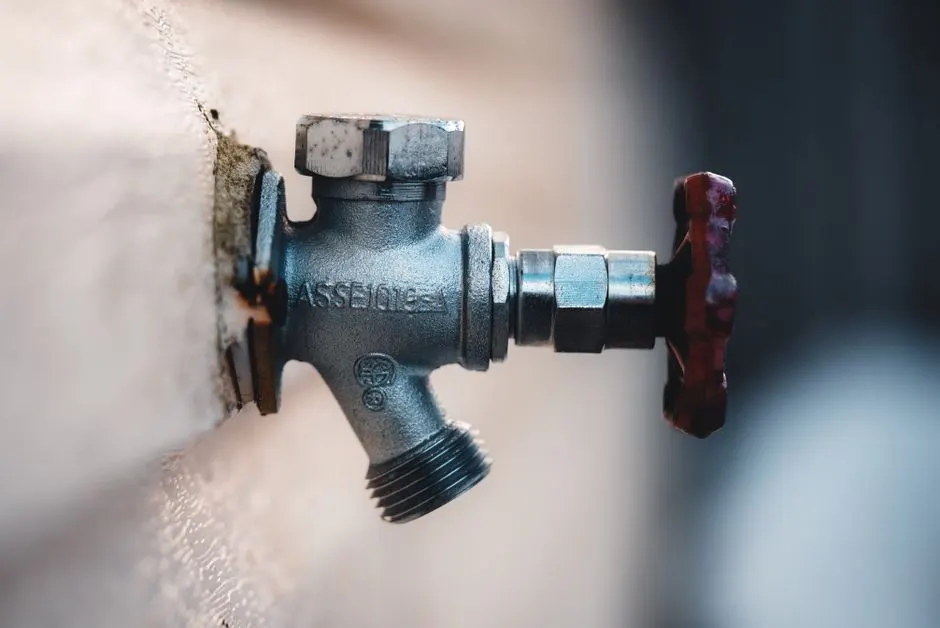 water leak restorationA slow supply line or slab leak can feed mold for months before you notice. We locate the leak, dry the affected framing, and restore the materials. Fixing the leak first is what makes crawl space mold treatment last instead of coming back next season.Explore →
 emergency water cleanupOverflowing toilets, failed water heaters, and appliance failures dump water fast. Our emergency water cleanup team handles extraction, drying, and sanitizing, then checks the crawl space for moisture that ran down through the floor. That check is how we catch mold early.Explore →
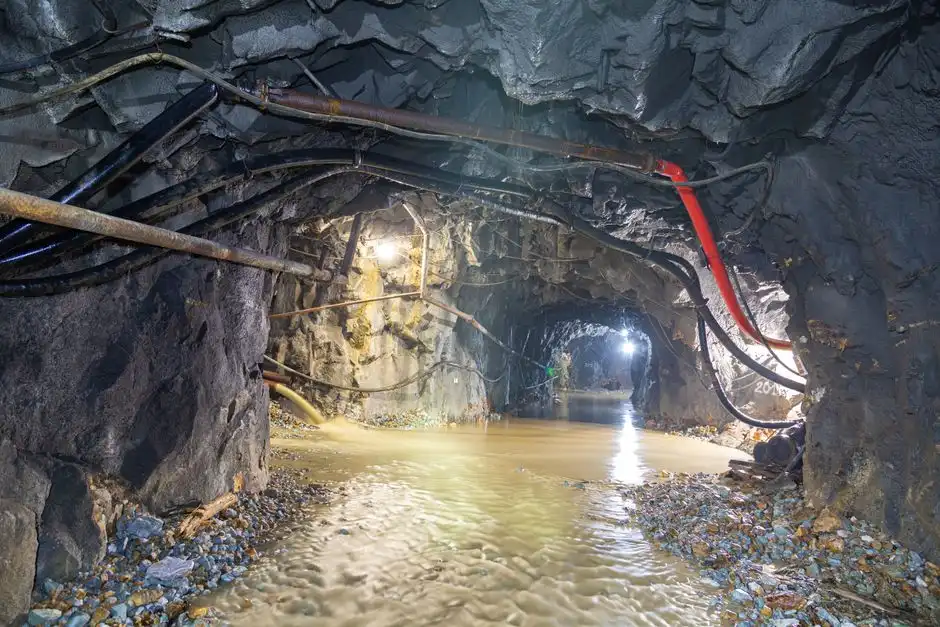 water extractionWe use truck-mounted and portable water extraction units to pull standing water out of crawl spaces, basements, and subfloor cavities. Fast extraction limits how much framing gets wet, which directly reduces the scope of crawl space mold cleanup Valencia CA.Explore →
 water damage mitigationMitigation is about stopping the damage from getting worse. We contain the moisture, dry the structure, and monitor readings daily. On crawl space jobs, mitigation and mold removal often run at the same time to save you a second mobilization fee.Explore →
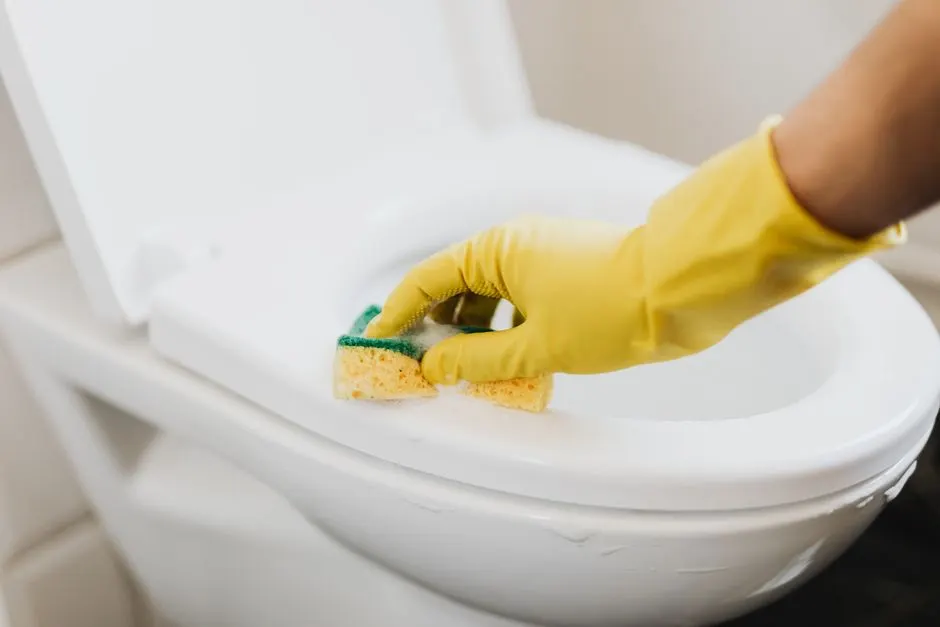 toilet overflow cleanupA toilet overflow can push category 3 water through the floor and into the crawl space. We extract, sanitize, and dry, then inspect below for mold growth. Sewage-affected water needs antimicrobial treatment, and we handle that as part of the cleanup.Explore →
We are licensed, insured, and IICRC-certified, and we give you a written scope before we start. Call (833) 321-7153 and we can inspect your crawl space today.
Call now (833) 321-7153 →Call us any time at (833) 321-7153. Our emergency line is staffed 24 hours a day, 7 days a week. For non-emergency questions, email info@waterdamagerestorationvalencia.com or stop by our office. We respond to every message within one business day, and we dispatch emergency crews within 60 minutes across Valencia, California.