Slab leak soaking floors and walls
We locate the moisture with thermal imaging, extract the trapped water, and dry the affected area. If the leak is still active, we coordinate with a licensed plumber to stop it before drying begins.
When water is rising in your home, every minute counts. Our team delivers water extraction in Valencia, California with 24/7 emergency response, industrial pumps, and moisture mapping that finds hidden water behind walls. Whether it is a burst pipe, slab leak, or storm flooding, we remove the water, dry the structure, and document everything for your insurance claim. Call (833) 321-7153 and we will be on our way.
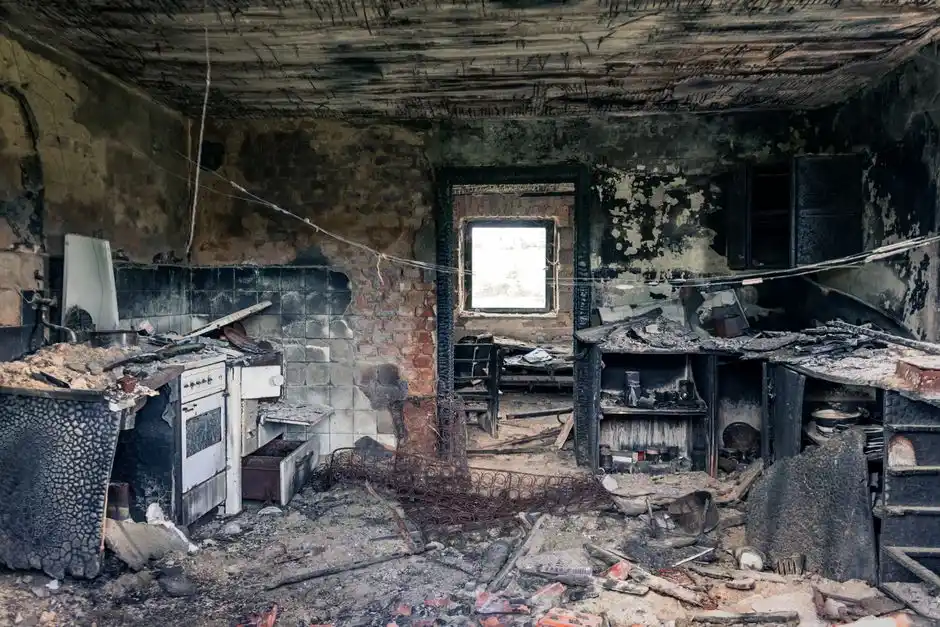
Water extraction in Valencia, California is the process of physically removing standing water and trapped moisture from a building using pumps, wet/dry vacuums, and weighted extraction tools, then drying the structure to prevent mold and structural failure. It is not the same as mopping up a spill. We use moisture meters, thermal imaging cameras, and hygrometers to map exactly where water has traveled, including inside wall cavities, under subflooring, and beneath baseboards. The goal is simple: get the water out, get the air moving, and get your property back to a dry standard.
Most calls we run in Valencia start with the same handful of problems: a slab leak that quietly soaks a hallway, a burst pipe behind a kitchen wall, an overflowing toilet, or storm flooding after a heavy rain. Because so much of the local housing stock is stucco and slab-on-grade, water has nowhere to drain and spreads sideways fast. If you search for water removal Valencia CA at 2 a.m., you need a crew that answers the phone, not a voicemail. We are licensed, insured, and equipped to start extraction the same day you call.
Every water extraction job includes the core work: inspection, extraction, drying setup, daily monitoring, and documentation. What changes is the scope, depending on how much water there is and what it touched. Here is what is covered in a standard job, and where additional work like drywall replacement or mold remediation comes in.
We use a moisture meter, thermal imaging camera, and hygrometer to find every wet area, including hidden moisture behind walls and under floors. You get a clear picture of the affected zone before equipment goes in.
Truck-mounted water extraction units and wet/dry vacuums remove standing water fast. For carpet and pad, we use weighted extraction tools that pull water from deep in the fibers without tearing anything out.
After extraction, we apply antimicrobial solution to affected surfaces to stop mold and bacteria from taking hold. This is standard on every job, not an upsell.
We position air movers and dehumidifiers to dry the structure, using polyethylene sheeting to contain the drying chamber when needed. Desiccant dehumidifiers handle crawl spaces and other hard-to-dry areas.
We return each day to log moisture readings and adjust equipment. Everything is photographed and recorded, and we build the scope in Xactimate so your insurance claim has the documentation it needs.
You call (833) 321-7153 and speak to a real person, day or night. We ask what happened, how long the water has been sitting, and whether there is any sewage involved. That tells us what equipment to load and whether we are dealing with clean water or a contaminated category 2 or 3 loss.
On arrival, we walk the property with a moisture meter, thermal imaging camera, and hygrometer. We check wall cavities, baseboards, and subflooring for hidden moisture. You get a clear picture of the affected area before any equipment comes in, usually within the first 30 minutes.
We start extraction with truck-mounted or portable water extraction units, then switch to wet/dry vacuums and weighted extraction for carpet and pad. Standing water is gone fast. For deeper flooding, a sump pump moves high volumes before the finer extraction begins.
We position air movers and dehumidifiers to create a drying chamber, sometimes using polyethylene sheeting to contain the area. Desiccant dehumidifiers handle tough spaces like crawl spaces. We return daily to log readings and adjust equipment until the structure hits dry standard.
Once readings confirm the structure is dry, we remove equipment, do a final visual inspection, and hand over your documentation. If any drywall, insulation, or baseboards need replacement, we flag it clearly so you know the next step. Most jobs wrap in three to five days.
Purpose-built equipment, used by trained technicians — so the job is done accurately the first time.
Pulls hundreds of gallons per hour from flooded areas. This is the first tool on site for any job with standing water.
Measures moisture content in materials and relative humidity in the air. We use these to map the affected area and confirm when the structure is dry.
Reveals hidden moisture behind walls, under floors, and in ceiling cavities without tearing anything open. It shows us where water has traveled.
High-velocity air movers that evaporate moisture from surfaces and push it into the air for dehumidifiers to capture. We position them based on the drying plan.
Pull moisture from the air in cool or hard-to-dry spaces like crawl spaces and basements. They work when standard refrigerant dehumidifiers are less effective.
Used on carpet and pad to pull water from deep in the fibers. This saves carpet that would otherwise be torn out and replaced.
Filter airborne mold spores and debris during drying. We run these when mold is a concern or when the water was contaminated.
A supply line burst behind a hallway wall and ran for about six hours before the homeowner woke up. Water had spread under the laminate flooring and into two bedrooms. Moisture readings in the drywall were at 28 percent, well above the dry standard of 12 to 15 percent.
We extracted 40 gallons of standing water, removed the baseboards, and dried the wall cavities with air movers and a dehumidifier. Readings dropped to 11 percent in four days. The laminate was saved, and only the baseboards needed replacing.
A toilet supply valve failed in an upstairs unit and water ran into the hallway carpet and the unit below. The downstairs neighbor's ceiling showed a water stain about two feet wide. The carpet had been wet for roughly 12 hours.
We extracted the water, removed the affected carpet pad, and treated the area with antimicrobial solution. The ceiling cavity was dried with a desiccant dehumidifier. Both units were dry in three days, and the carpet was saved.
A winter storm pushed about two inches of water into a basement through foundation seepage. The space had been wet for two days, and the smell was already noticeable. Moisture readings in the concrete were at 22 percent.
We pumped out the standing water, extracted the rest, and ran a desiccant dehumidifier and air movers for five days. We also treated the space with antimicrobial solution. Readings dropped to 10 percent, and no mold growth was found.
Water damage shows up in a handful of ways, and each one needs a different approach. Here are the problems we see most often and how we handle them.
Ask a pro →We locate the moisture with thermal imaging, extract the trapped water, and dry the affected area. If the leak is still active, we coordinate with a licensed plumber to stop it before drying begins.
We respond 24/7, extract standing water with truck-mounted units, and set up drying equipment the same night. Most rooms are dry in three to five days when we start within hours.
We contain the area, remove contaminated materials, extract the water, and disinfect every surface. We follow ANSI/IICRC S500 protocols and dispose of waste properly.
We pump out standing water with a sump pump, extract the rest, and dry the space with desiccant dehumidifiers. We also check for foundation seepage that could let water back in.
Most residential water extraction jobs in Valencia run $180 to $450 for the extraction itself, with full drying packages typically landing between $1,200 and $3,500 depending on square footage and how long equipment runs. Category 3 water, like sewage backup, costs more because of containment and disposal requirements. We give you an upfront number before we start, and we document everything for your insurance claim.
The physical extraction usually takes two to four hours for a typical room. Full drying takes longer: most homes reach dry standard in three to five days with our air movers and dehumidifiers running continuously. We check moisture readings daily and adjust equipment as needed. You will know exactly where things stand after each visit.
Yes. We answer calls 24 hours a day, seven days a week, including holidays. Emergency water extraction Valencia crews typically arrive within 60 to 90 minutes for addresses in and around the city. Call (833) 321-7153 and we will dispatch the nearest truck with the right equipment for your situation.
In most cases, yes. We use weighted extraction tools and wet/dry vacuums to pull water from carpet and pad without tearing it out. If the carpet has been wet less than 48 hours and the water is clean, it can often be saved. Category 3 water or carpet that has been wet for days usually needs replacement, and we will tell you straight.
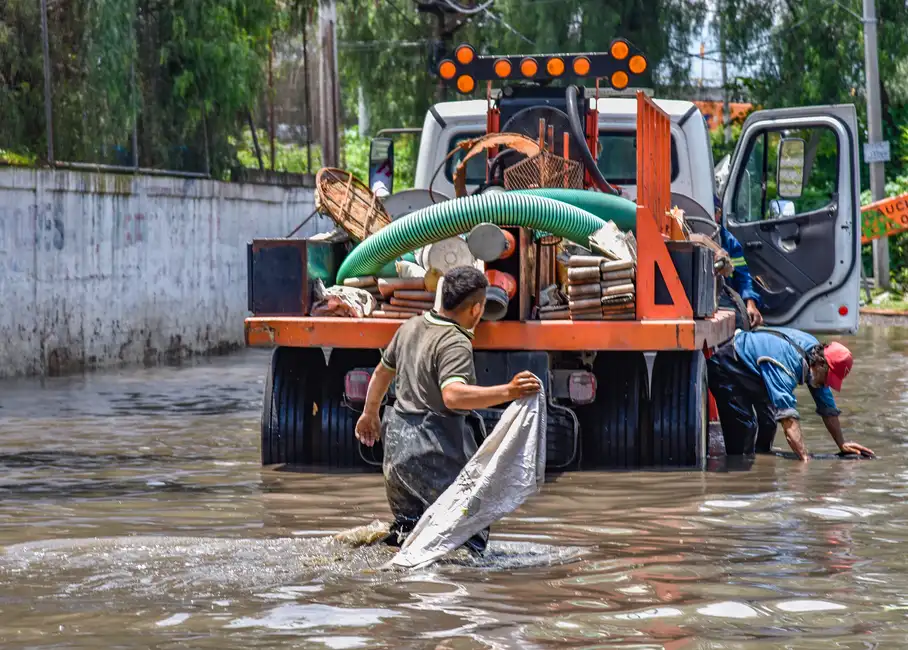 flood restoration servicesWhen storm flooding pushes water into your home, extraction is only the first step. We follow up with structural drying, sanitizing, and repairs so your Valencia property is fully restored, not just pumped out.Explore →
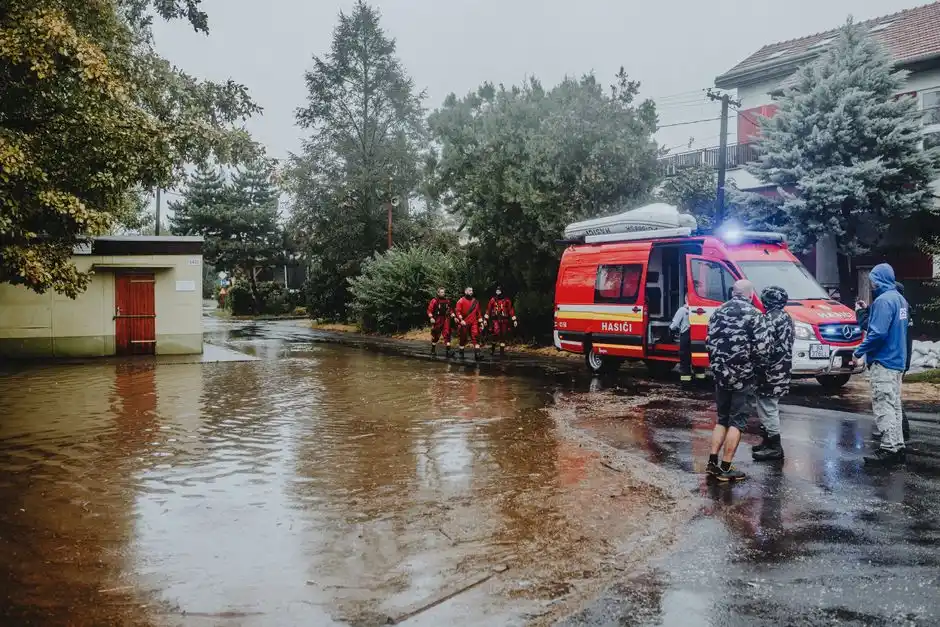 emergency water removalBurst pipes and appliance failures do not wait for morning. Our emergency water removal Valencia crews respond 24/7 with truck-mounted extraction units to get standing water out before it reaches your subflooring.Explore →
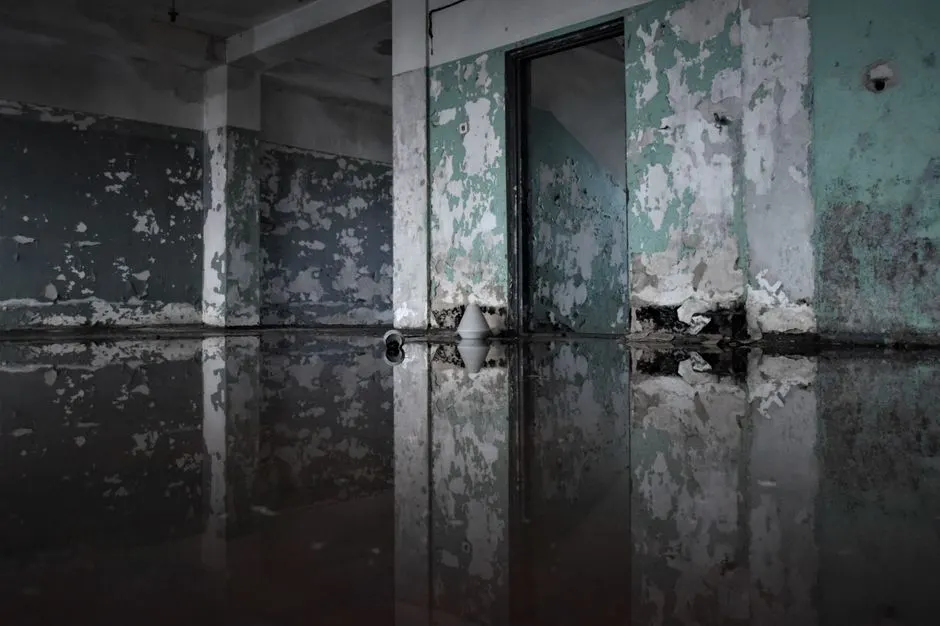 mold remediation after water damageIf water sat too long, mold can take hold in drywall and insulation. We handle mold remediation after water damage using HEPA filtration and antimicrobial treatments, following the ANSI/IICRC S520 standard.Explore →
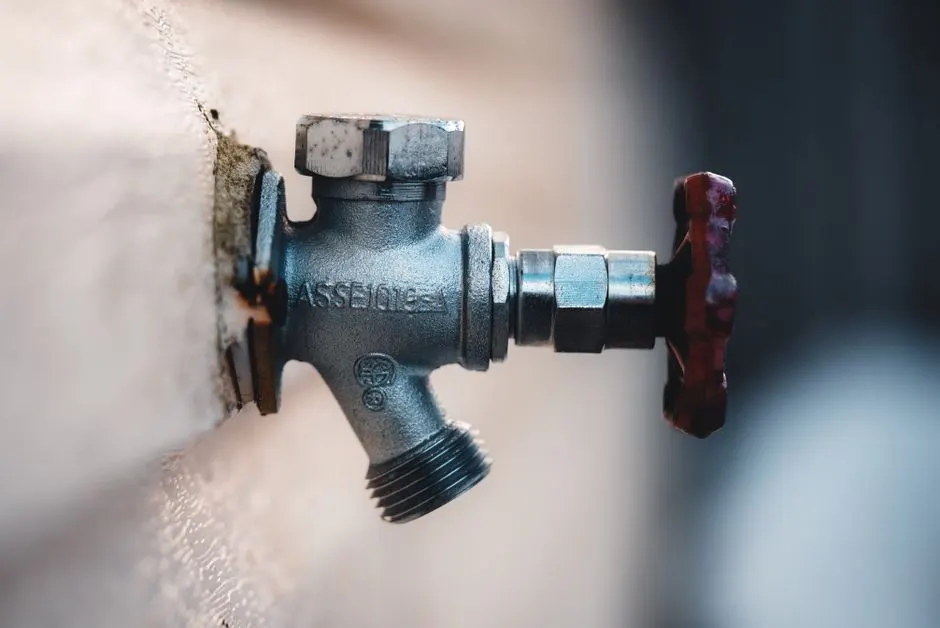 water leak restorationA slow slab leak can soak a hallway for weeks before you notice. We locate the source, extract the trapped water, dry the structure, and repair the damage so the leak does not come back.Explore →
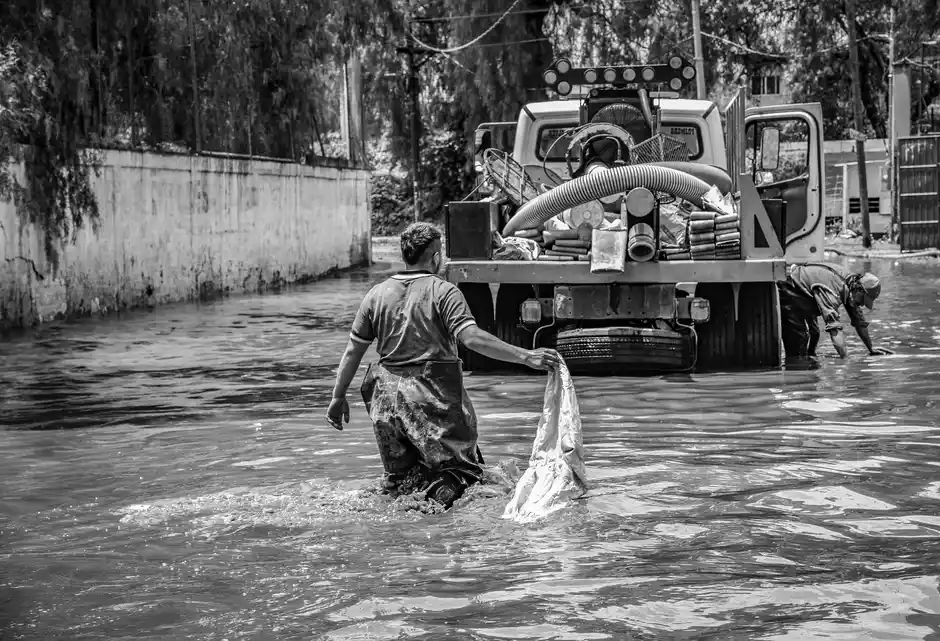 emergency water cleanupFrom overflowing toilets to HVAC condensate leaks, our emergency water cleanup Valencia service handles the mess fast. We extract, sanitize, and dry so you are not left with odor or mold.Explore →
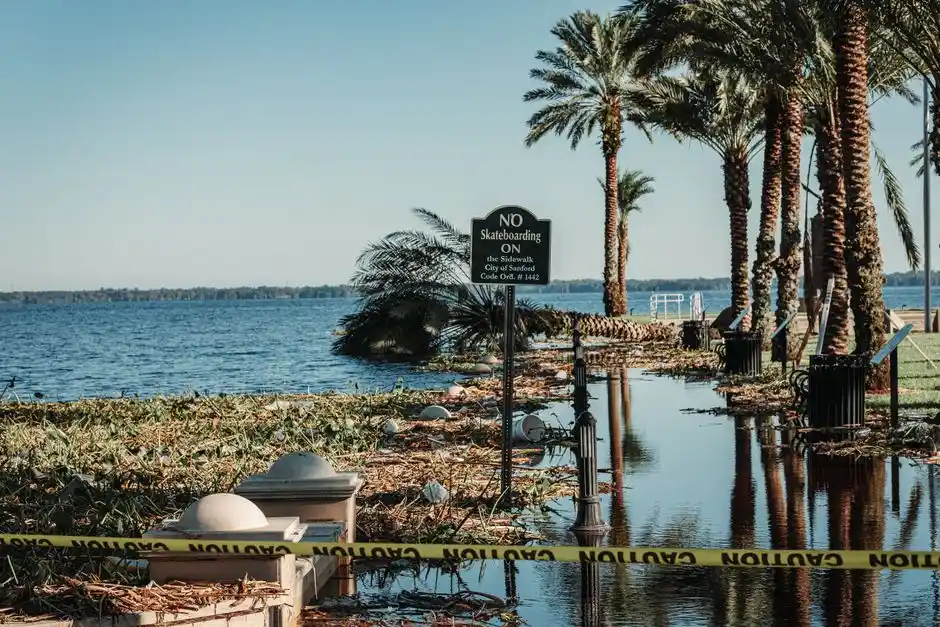 water damage mitigationMitigation means stopping the damage from getting worse. We extract water, set drying equipment, and stabilize your Valencia home before secondary damage like mold or warped framing can take hold.Explore →
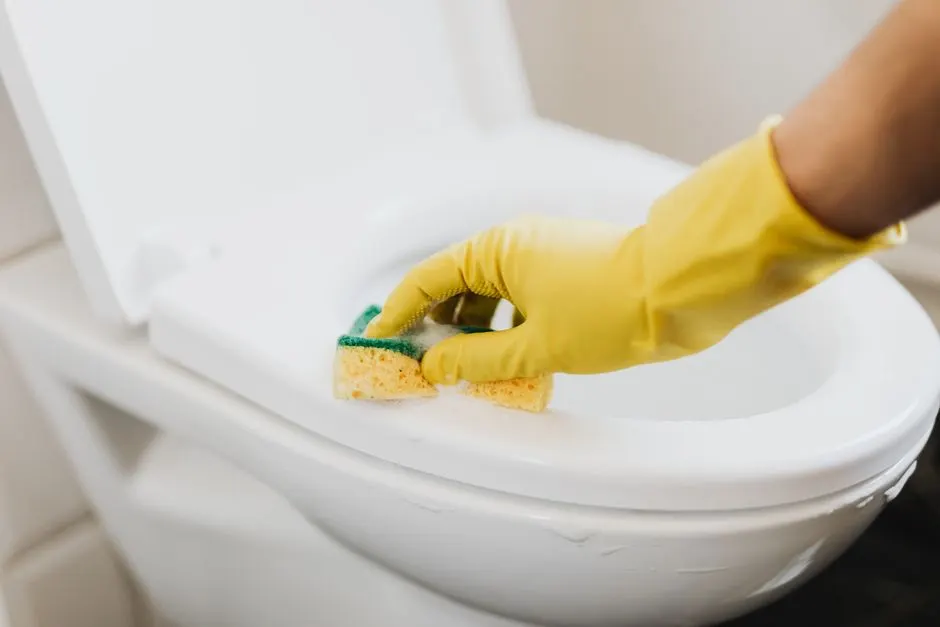 toilet overflow cleanupAn overflowing toilet is a category 3 water loss, which means contaminated water and a real health risk. We extract, remove affected materials, and disinfect the area following safety protocols.Explore →
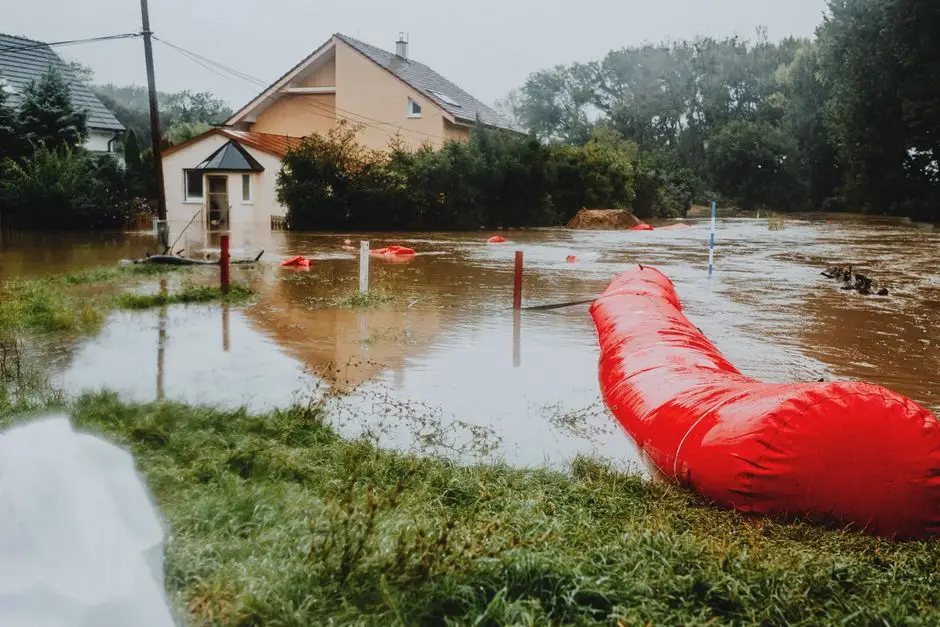 basement flood cleanupBasements and crawl spaces trap water and stay humid. We pump out standing water, dry the space with desiccant dehumidifiers, and treat for mold so the area stays dry.Explore →
Standing water gets worse by the hour. Call (833) 321-7153 and we will dispatch a licensed crew with truck-mounted extraction equipment. We answer 24/7, we give you an upfront price, and we document everything for your insurance claim. One call and the water starts going down.
Call Now (833) 321-7153 →Call us any time at (833) 321-7153. Our emergency line is staffed 24 hours a day, 7 days a week. For non-emergency questions, email info@waterdamagerestorationvalencia.com or stop by our office. We respond to every message within one business day, and we dispatch emergency crews within 60 minutes across Valencia, California.