Sprinkler water trapped inside wall cavities
We scan with a thermal imaging camera, open the wet cavities, extract with a water extraction unit, and dry the framing in place. Antimicrobial solution goes on before anything closes back up.
We handle water damage remediation after fire in Valencia, California, from the first emergency call to the final moisture reading. Fire sprinkler discharge, burst supply lines and hose-stream water leave saturated drywall, subflooring and insulation behind every burn. Our IICRC-certified crews extract standing water, dry the structure and stop mold before it starts. Call (833) 321-7153 and we roll a truck today.
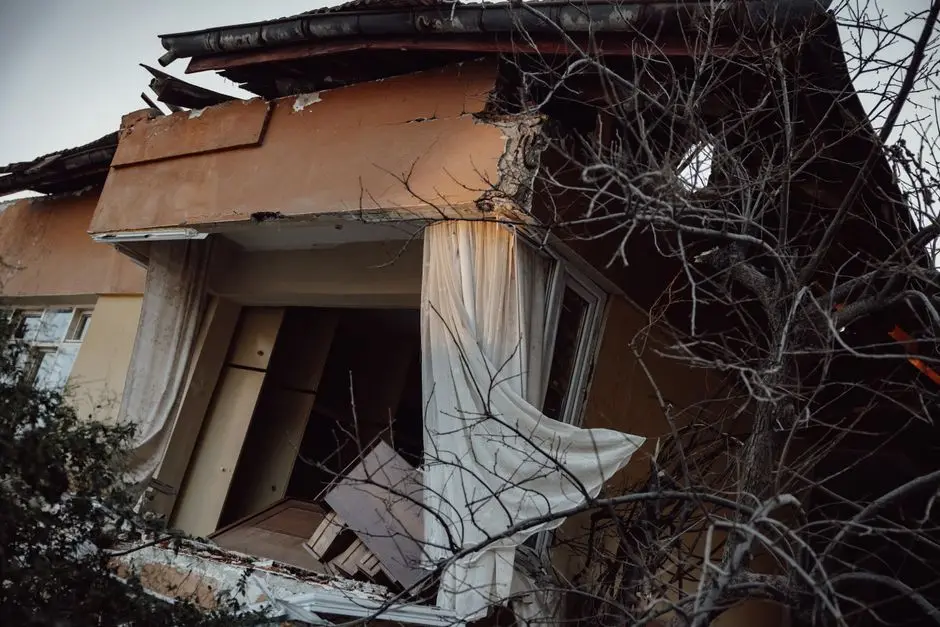
Water damage remediation after fire in Valencia, California is the process of extracting firefighting and sprinkler water, drying the structure, and neutralizing smoke and soot residue before mold and rot take hold. Fire crews leave 300 to 2,000 gallons behind on a typical house fire. That water sits in wall cavities, under baseboards and inside subflooring. We pull it out with water extraction units, then dry the framing with air movers and dehumidifiers until a moisture meter reads normal.
In Valencia, most post-fire water calls come from kitchen grease fires that trip the sprinkler head, garage fires that melt a supply line, and attic fires where hose water runs down through insulation. Summer heat here pushes indoor humidity past 60 percent, and mold growth can start in 24 to 48 hours. That is why fire water damage restoration Valencia CA homeowners call us for needs to start the same day the flames go out, not the following week.
Every job starts with a full scope, and the core work below is included. If your home needs something beyond it, like full reconstruction or asbestos abatement, we tell you on day one and price it separately.
Truck-mounted water extraction, sump pumps in crawl spaces, and wet/dry vacuums in tight corners. We clear standing water, bag saturated debris, and stabilize the structure the same visit, 24/7.
Thermal imaging camera scans, moisture meter and hygrometer readings, and a chalked wet boundary you can see. We log readings every 24 hours until the structure hits dry standard.
Air movers, Dri-Eaz and Phoenix Restoration Equipment dehumidifiers, and desiccant units for tight or cold spaces. Drying runs three to five days depending on how deep the water reached.
Antimicrobial solution applied to every wet cavity, plus HEPA filters and air scrubber filters running through the dry-down. This is what stops mold growth from starting in the first 48 hours.
Photo logs before and after, daily moisture readings, and a scope built in Xactimate. We bill your carrier directly so you are not fronting the full cost and chasing reimbursement.
Replacing drywall, insulation and baseboards once readings pass. We seal framing, hang new board, and finish so the room looks like it did before the fire. Most homes are back in 10 to 14 days.
You call (833) 321-7153 and we ask three questions: where was the fire, is the power off, and is water still running. We dispatch a crew with a water extraction unit and wet/dry vacuum loaded. Most Valencia addresses see a truck in 60 to 90 minutes, day or night.
We pull standing water first with truck-mounted extraction, then use a sump pump in crawl spaces and a wet/dry vacuum in tight corners. A 1,200 square foot home with an inch of water takes two to three hours to clear. We bag and haul saturated debris the same visit.
Before any drying starts, we scan every wall with a thermal imaging camera and pin-check with a moisture meter and hygrometer. We chalk the wet boundaries so you can see them. This map drives the equipment count and becomes the backbone of your insurance file.
We set air movers along the walls and run Dri-Eaz and Phoenix Restoration Equipment dehumidifiers to pull moisture out of the air. Desiccant units go in for tight or cold spaces. Drying runs three to five days, and we log readings every 24 hours until the structure hits dry standard.
Once readings match a dry control sample, we remove the equipment, treat framing with sealant, and replace drywall, insulation and baseboards. We hand you a final moisture report and a photo log. Most homes are back to pre-fire condition in 10 to 14 days.
Purpose-built equipment, used by trained technicians — so the job is done accurately the first time.
Finds wet pockets behind walls and under floors without tearing everything open. It shows us exactly where the sprinkler water traveled.
Pin-checks framing and logs humidity levels. These readings define dry standard and drive the daily drying log for your insurance claim.
Pulls standing water from carpet, hardwood and tight corners. A truck-mounted unit clears an inch of water from 1,200 square feet in two to three hours.
The core drying pair. Air movers push evaporation at the wall surface while Dri-Eaz and Phoenix Restoration Equipment dehumidifiers pull that moisture out of the air.
Clears crawl spaces and below-grade rooms where a truck-mounted unit cannot reach. Essential on Valencia homes with raised foundations.
Capture mold spores and soot particles during the dry-down. We run them continuously in occupied-adjacent work zones.
Looks inside wall cavities and ducts without demolition. We use it to confirm a cavity is dry before closing it up.
A grease fire tripped one sprinkler head and dumped water through the kitchen ceiling for 12 minutes. The ceiling sagged, baseboards were soaked, and the subflooring read 28 percent moisture on our meter.
We extracted 40 gallons, dried the joists and subflooring for four days, and replaced the ceiling board and baseboards. Final readings matched a dry control sample at 10 percent. The kitchen was back in service in 11 days.
A garage fire melted a supply line and water ran into the crawl space for roughly three hours. The joists were wet, mold had started on two of them, and the subflooring was cupping.
A sump pump cleared 120 gallons, we treated the joists with antimicrobial solution, and desiccant dehumidifiers dried the space in five days. The subflooring was saved. Total job ran 12 days including the rebuild.
An attic fire was knocked down with hose water that soaked all the insulation and ran down two interior walls. The attic read 85 percent relative humidity, and the wall cavities were wet behind the paint.
We removed the saturated insulation, extracted the wall cavities, and ran air movers and HEPA-filtered air scrubbing for five days. New insulation went in after readings passed. The attic stayed mold-free through the following winter.
Fire damage is only half the loss. The water that put the fire out is the half that keeps costing money if nobody dries it. Here is what we see most in Valencia.
Ask a pro →We scan with a thermal imaging camera, open the wet cavities, extract with a water extraction unit, and dry the framing in place. Antimicrobial solution goes on before anything closes back up.
A sump pump clears the crawl space, then dehumidifiers and air movers dry the joists and subflooring. We log hygrometer readings until the wood matches a dry control sample.
We seal work zones with polyethylene sheeting, run air scrubber filters and HEPA filters, and wipe framing before new board goes up. Smoke and water get handled in one scope.
We build the scope in Xactimate, photograph every wet zone, and log readings every 24 hours. Your adjuster gets the same numbers we work from, which keeps the claim moving.
Most post-fire water jobs in Valencia run $1,800 to $6,500 for a typical 1,200 to 2,000 square foot home, and insurance usually covers the bulk of it. Extraction and drying for a single room lands near the low end. Whole-house sprinkler discharge with crawl space water pushes toward the high end. We scope the job in Xactimate before work starts so you see the number your adjuster sees.
We extract standing water, map every wet cavity with a moisture meter and thermal imaging camera, then dry the structure with air movers and dehumidifiers for three to five days. After that we treat framing with antimicrobial solution, replace saturated drywall and insulation, and take a final moisture reading. The whole sequence follows ANSI/IICRC S500. Most Valencia homes are dry and rebuilt in 10 to 14 days.
Yes, in most cases. Firefighting and sprinkler water is normally covered under the same homeowner policy that covers the fire itself, because the water is a direct result of extinguishing the loss. We document everything in Xactimate, photograph the wet zones, and bill your carrier directly. You pay your deductible and we handle the paperwork with the adjuster.
Extraction takes two to three hours, structural drying runs three to five days, and the rebuild adds another five to seven days. A single-room sprinkler discharge can wrap in about a week. A garage fire that soaked the subflooring and crawl space takes closer to two weeks. We give you a written day-by-day schedule on the first visit.
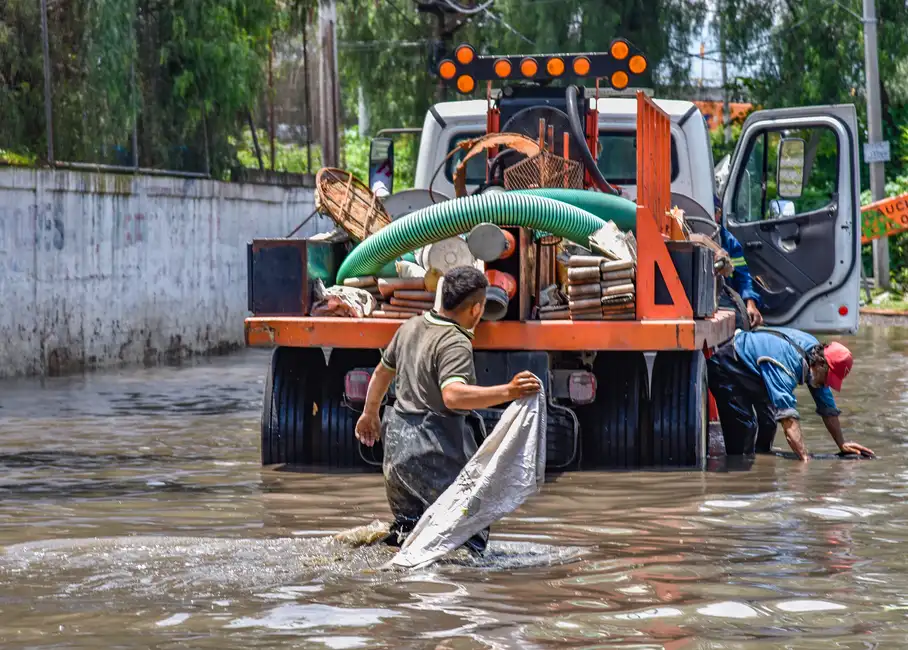 flood restoration servicesWhen a post-fire hose stream or a storm pushes water past the fire room, flood restoration services pick up where extraction stops. We dry the whole affected floor, treat framing, and rebuild. Valencia homes near the river wash see this most often after winter storms.Explore →
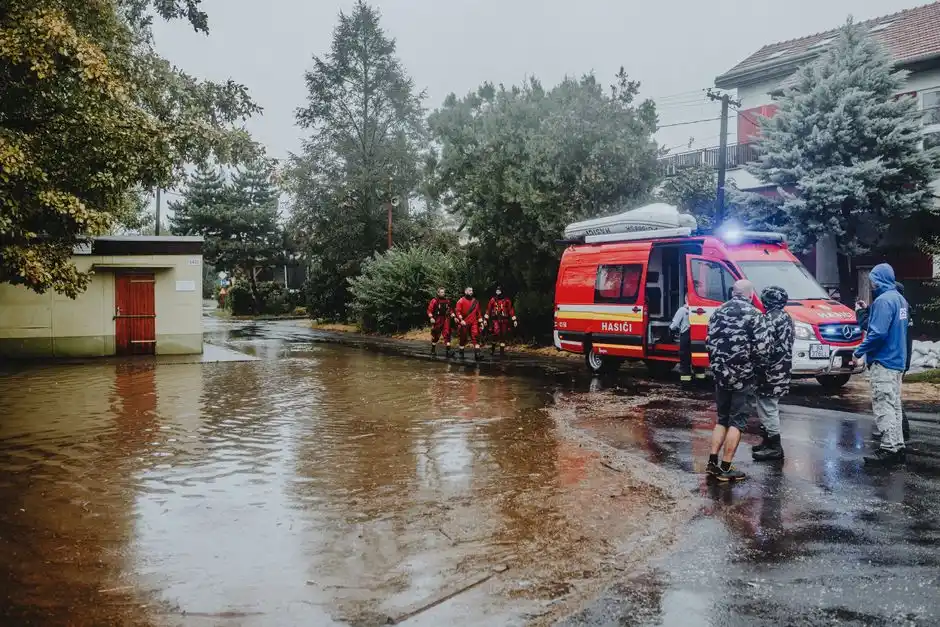 emergency water removalSprinkler heads dump 15 to 30 gallons a minute. Emergency water removal pulls that standing water before it reaches the subflooring. We run truck-mounted extraction and sump pumps, and we are on call 24/7 for Valencia addresses.Explore →
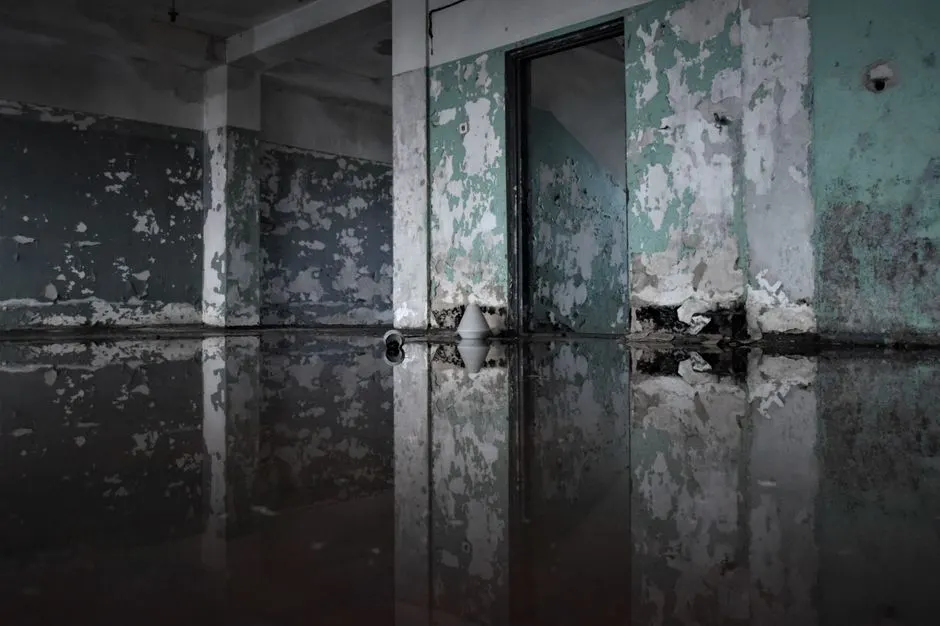 mold remediation after water damageMold growth can start 24 to 48 hours after a fire is put out. Our mold remediation after water damage work follows ANSI/IICRC S520, uses HEPA filters and air scrubber filters, and treats every wet cavity with antimicrobial solution before we close the walls.Explore →
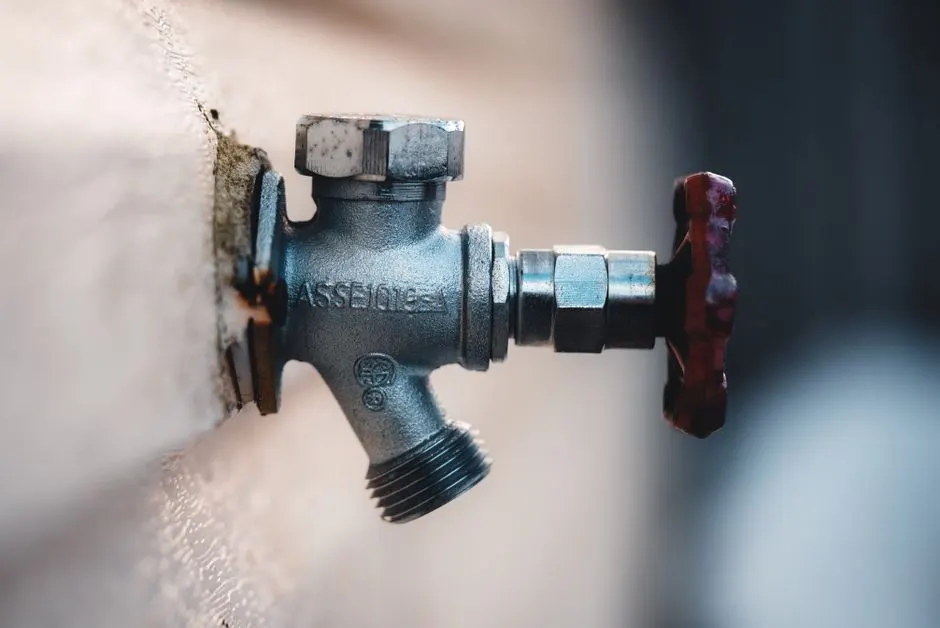 water leak restorationA fire can weaken a supply line or melt a fitting, and the leak keeps running after the flames are out. Water leak restoration finds the source, repairs the line, and dries what it soaked. We pressure-test before we leave.Explore →
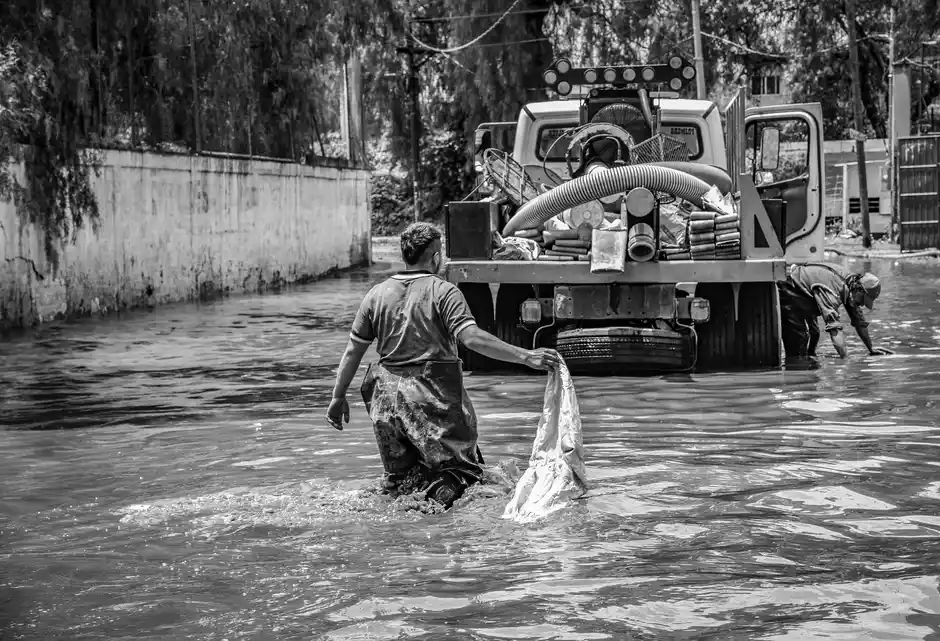 emergency water cleanupEmergency water cleanup covers the first 24 hours: extraction, debris removal, and setting drying equipment. For post-fire jobs in Valencia, that first day decides whether you are looking at a dry-out or a demolition.Explore →
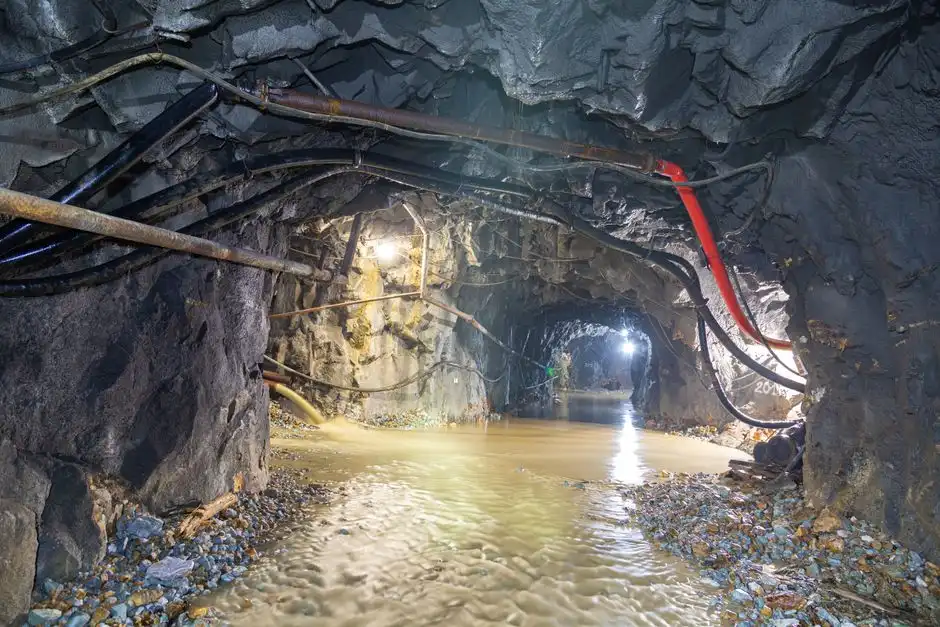 water extractionWater extraction is the mechanical removal of standing water with truck-mounted units and wet/dry vacuums. After a fire, this is step one. We clear an inch of water from a 1,200 square foot home in two to three hours.Explore →
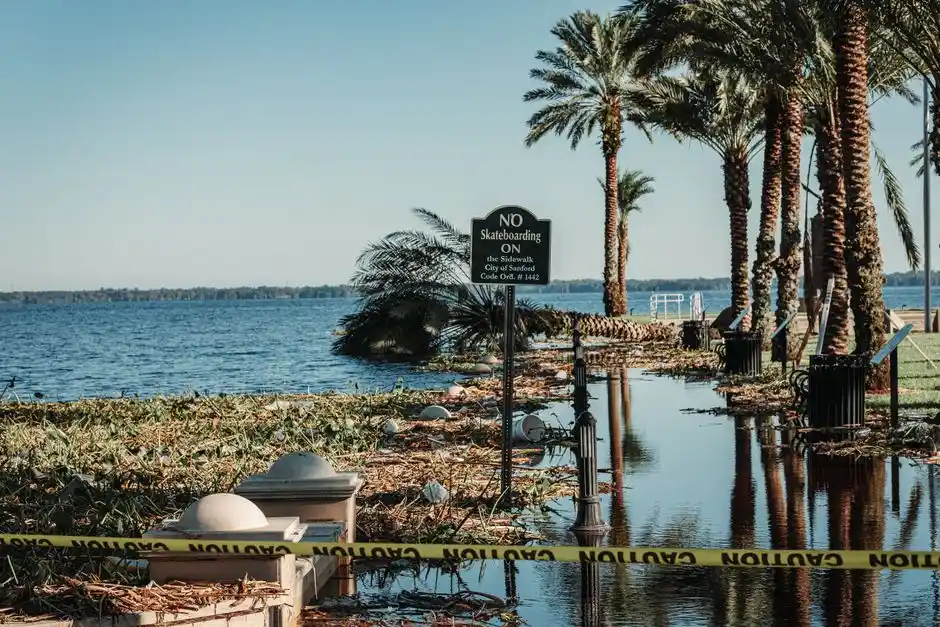 water damage mitigationWater damage mitigation is everything we do to stop the damage from spreading: extraction, containment with polyethylene sheeting, and starting the dry-down. It is the difference between replacing baseboards and replacing a floor.Explore →
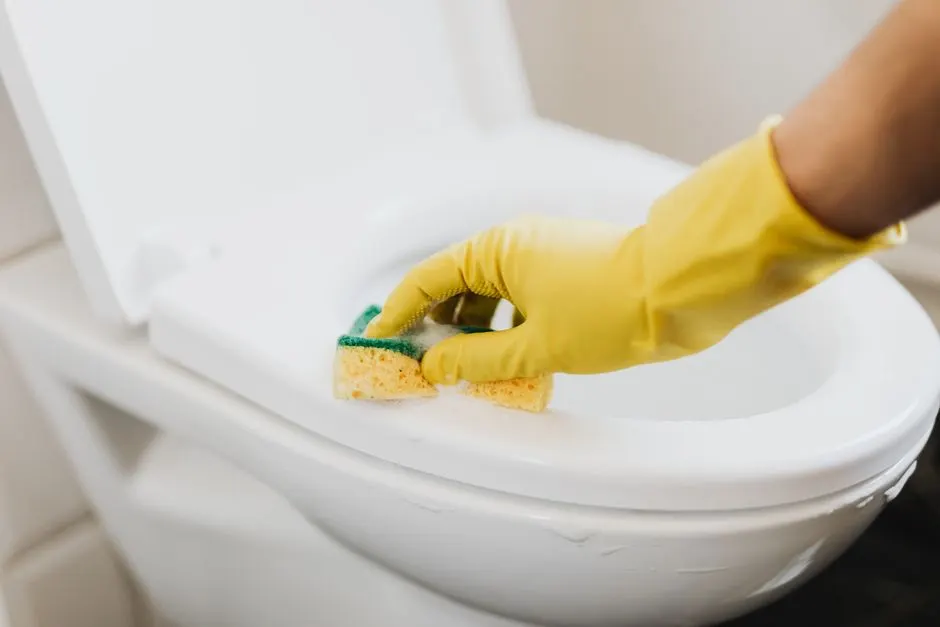 toilet overflow cleanupA fire can knock out power to a sump pump or leave a fixture running. Toilet overflow cleanup handles the contaminated water with antimicrobial solution and proper disposal, then dries the bathroom and adjoining rooms.Explore →
We answer 24/7, dispatch from Valencia, and document the job for your insurance carrier. One call starts extraction, drying and the rebuild. Licensed, insured and warrantied. Call (833) 321-7153 now.
Call Now (833) 321-7153 →Call us any time at (833) 321-7153. Our emergency line is staffed 24 hours a day, 7 days a week. For non-emergency questions, email info@waterdamagerestorationvalencia.com or stop by our office. We respond to every message within one business day, and we dispatch emergency crews within 60 minutes across Valencia, California.